Our Approach to Teaching
We started this work because we noticed a gap between what cooking shows present and what actually happens in home kitchens.
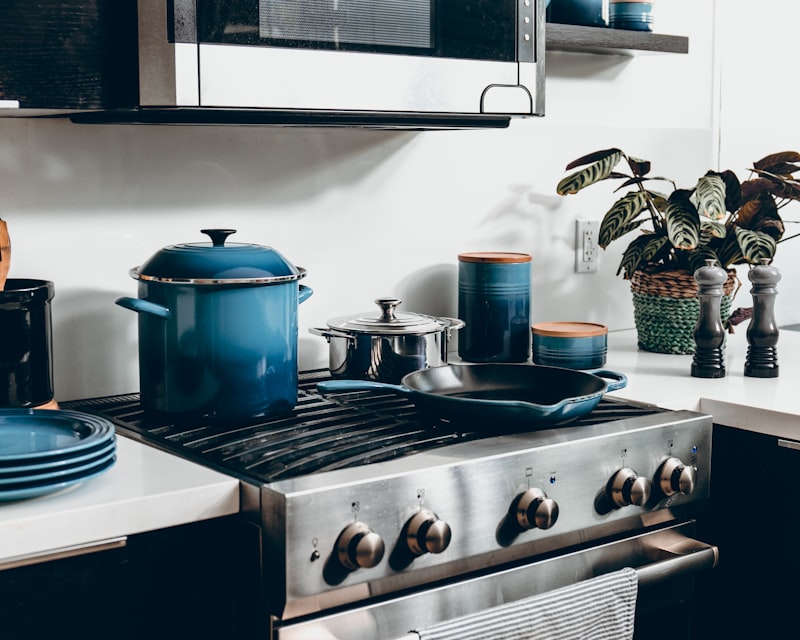
Teaching through demonstration and practice
How This Started
After fifteen years working in professional kitchens across Australia and Europe, I began teaching cooking classes as a side project. What surprised me wasn't the questions people asked—it was the relief they felt when someone finally explained the reasoning behind techniques they'd been trying to execute blindly.
Most cooking instruction focuses on outcomes. Follow these steps, you'll get this result. But that approach falls apart the moment something goes wrong or you need to adapt a recipe. People need to understand the underlying principles, not just memorize procedures.
What We Believe About Food Education
Cooking well isn't about accumulating recipes. It's about developing judgment—knowing when something needs more time, more heat, more acid, more salt. That kind of judgment comes from understanding cause and effect in the kitchen.
We teach by explaining why things work, then providing opportunities to practice until the actions become intuitive. Our students don't leave with a collection of dishes they can recreate. They leave with skills they can apply to any cooking situation.
The Teaching Environment
Our teaching kitchen in Melbourne was designed specifically for small-group instruction. Each workstation has proper ventilation, adequate counter space, and equipment that functions reliably. We limit class sizes because effective skill development requires individual attention and immediate feedback.
For private instruction, we work in your kitchen. This isn't just convenient—it's practical. Learning on your own equipment, in your own space, with your specific constraints, produces better long-term results than training in an unfamiliar environment.
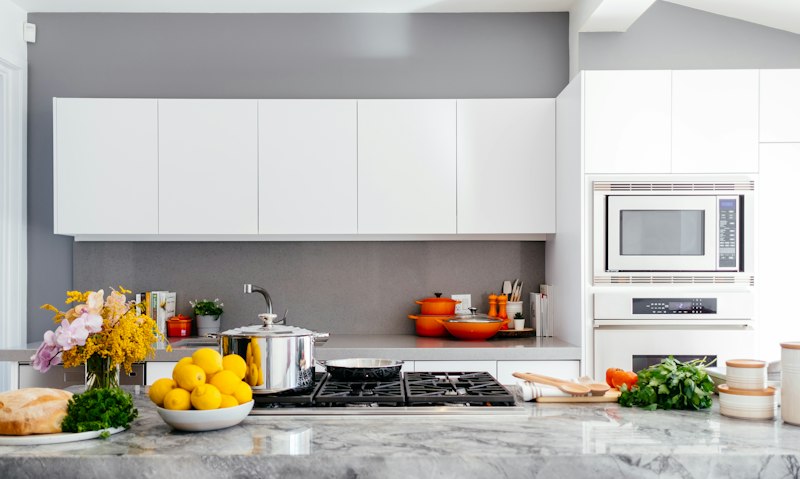
Purpose-built space for hands-on learning
Who Teaches
All instruction is provided by professionals with extensive kitchen experience. We don't use recent culinary graduates or enthusiastic home cooks. The people teaching our classes have worked in restaurants, catering operations, and food development roles where precision and consistency matter.
More importantly, they can explain what they know. Technical skill and teaching ability are different competencies. We select instructors who demonstrate both.
What Guides Our Work
Precision Over Speed
We'd rather you develop one skill properly than rush through five techniques inadequately. Mastery requires time and repetition.
Understanding Over Memorization
If you understand why searing meat at high heat creates flavor, you'll apply that knowledge correctly. If you just follow instructions, you'll struggle when conditions change.
Adaptation Over Perfection
Home cooking involves working with what's available, what's affordable, and what your schedule allows. We teach flexible techniques that accommodate real-world constraints.
Practice Over Theory
You learn to cook by cooking, not by watching or reading. Our sessions prioritize hands-on work with immediate feedback over lengthy demonstrations.
What You Can Expect
We're direct in our assessments. If a technique isn't working, we'll tell you specifically what needs adjustment and why. This isn't harsh—it's efficient. You're investing time and money to improve, and vague encouragement doesn't serve that goal.
Every program we offer has clear learning objectives and measurable outcomes. Before you enroll, we explain exactly what skills you'll develop and what level of proficiency you should expect by the end.
We respect your time. Sessions start promptly, cover the planned material, and end when scheduled. No filler content, no extended socializing that eats into instruction time.
If this approach resonates with how you prefer to learn, explore our services or reach out with specific questions about which program might suit your current skill level and goals.